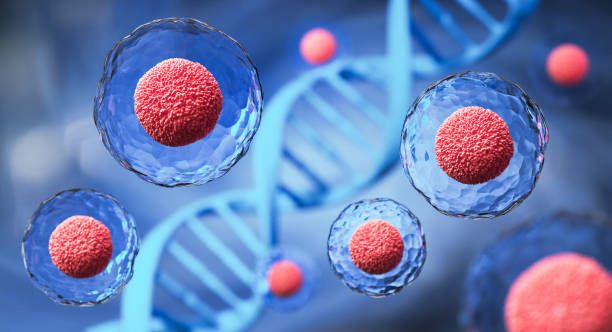
In a groundbreaking development in regenerative medicine, recent studies reveal that stem cell transplants may offer a promising path toward reversing Type 1 diabetes. This autoimmune condition, which affects millions globally, is caused by the immune system’s destruction of insulin-producing beta cells in the pancreas. With no current cure, patients rely on lifelong insulin therapy to manage blood sugar levels. However, stem cell-based treatments are emerging as a transformative alternative.
Researchers from institutions including Harvard University and the University of California, San Francisco, have reported success in early-phase clinical trials using stem cell-derived beta cells. These lab-grown cells, when transplanted into patients, begin producing insulin in response to glucose levels, mimicking the function of natural pancreatic cells.
“Our data show that these cells are not only surviving but functioning effectively months after transplantation,” said Dr. Alice Cheng, a lead investigator in one such trial. “This marks a significant step toward a functional cure for Type 1 diabetes.”
The procedure involves differentiating human pluripotent stem cells into insulin-producing cells, which are then encapsulated to protect them from immune attack. This encapsulation allows for implantation without the need for lifelong immunosuppressive drugs. In several patients, the transplanted cells have been shown to restore insulin production to levels sufficient to reduce or eliminate the need for external insulin.
While these results are encouraging, researchers caution that larger and longer-term studies are necessary to confirm the safety, efficacy, and scalability of the approach. Moreover, addressing immune rejection and optimizing the cell encapsulation technology remain key hurdles.
Despite these challenges, the implications are profound. Beyond offering potential freedom from insulin injections, this approach could reduce the risk of complications associated with diabetes, including cardiovascular disease, neuropathy, and kidney failure.
“If we can scale this therapy safely,” added Dr. Cheng, “it could redefine how we treat not just diabetes but other autoimmune diseases as well.”
As research progresses, the hope is that stem cell transplants could move from clinical trials to clinical reality, offering millions a future free from the daily burden of diabetes management.
 Glass Cabbage