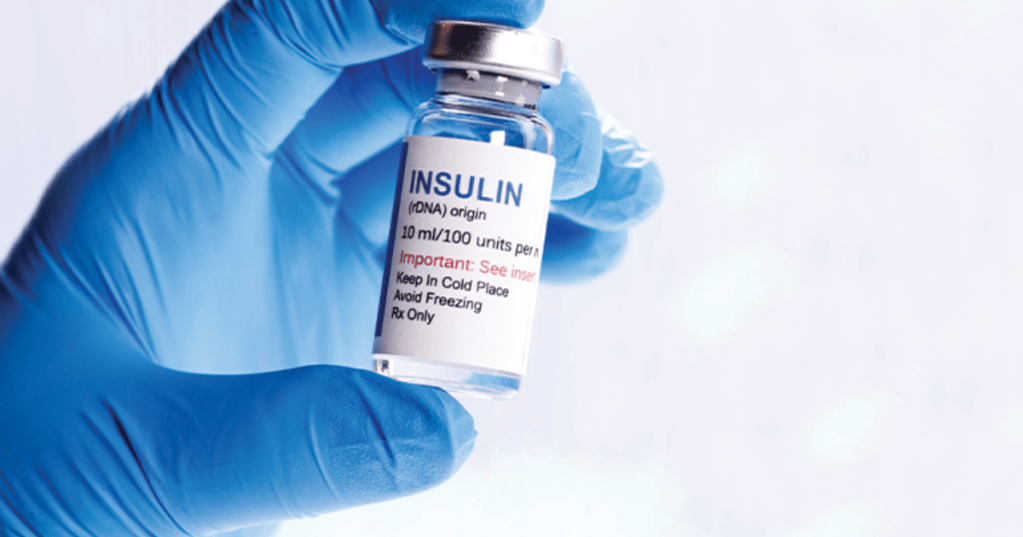
For over a century, insulin injections have been the cornerstone of diabetes management, offering life-saving treatment for millions of patients with type 1 and advanced type 2 diabetes. However, frequent injections pose significant challenges, including pain, inconvenience, and reduced compliance. The quest for oral insulin delivery—a “holy grail” in diabetes care—has long eluded scientists due to the complex challenges of delivering insulin through the digestive system. Today, thanks to groundbreaking advancements in biotechnology, drug delivery systems, and nanotechnology, oral insulin is on the brink of becoming a reality.
This article explores the latest innovations, challenges, and future prospects of oral insulin delivery and its potential to transform diabetes management.
—
Why Oral Insulin?
The advantages of oral insulin are compelling. Unlike injectable insulin, which directly enters the bloodstream, oral insulin mimics the natural pathway of insulin secretion from the pancreas into the liver. This offers several potential benefits:
1. Improved Patient Compliance: Oral insulin eliminates the need for painful injections, improving adherence to treatment regimens.
2. Hepatic Insulin Delivery: Oral insulin is absorbed through the gastrointestinal (GI) tract and transported directly to the liver, mimicking physiological insulin secretion and potentially reducing systemic side effects such as hypoglycemia.
3. Better Glycemic Control: By targeting the liver, oral insulin could offer more precise glucose regulation, reducing long-term complications associated with diabetes.
—
Challenges in Oral Insulin Delivery
Despite its potential, oral insulin delivery faces numerous biological and technical obstacles:
1. Enzymatic Degradation
The human digestive system is designed to break down proteins like insulin into amino acids. Enzymes such as pepsin and trypsin degrade insulin before it can be absorbed.
2. Poor Intestinal Absorption
Insulin is a large, hydrophilic molecule that struggles to cross the intestinal lining, which is optimized for absorbing small, lipophilic molecules like glucose and fats.
3. Low Bioavailability
Due to enzymatic degradation and poor absorption, only a small fraction of orally administered insulin reaches the bloodstream, necessitating high doses and leading to inconsistent results.
—
Breakthrough Technologies in Oral Insulin Delivery
Recent scientific advancements are addressing these challenges through innovative strategies:
1. Nanoparticle Carriers
Nanotechnology offers a promising solution to protect insulin from enzymatic degradation and enhance its absorption. Nanoparticles can encapsulate insulin, shielding it from digestive enzymes and facilitating its transport across the intestinal lining.
Lipid-Based Nanoparticles: Liposomes and solid lipid nanoparticles (SLNs) are being used to encapsulate insulin, improving its stability and absorption.
Polymeric Nanoparticles: Biodegradable polymers such as chitosan and PLGA (poly lactic-co-glycolic acid) are being employed to develop insulin-loaded nanoparticles that can adhere to the intestinal wall and release insulin in a controlled manner.
2. Peptide Enhancers and Permeation Agents
Chemical permeation enhancers are being developed to temporarily open tight junctions in the intestinal lining, allowing insulin to pass through without causing long-term damage.
Cyclic Peptides: These molecules enhance intestinal permeability and protect insulin from enzymatic degradation.
Fatty Acid Derivatives: Conjugating insulin with fatty acids improves its lipophilicity and absorption across the intestinal lining.
3. Smart Hydrogels
Hydrogels are polymer-based materials that can respond to environmental stimuli such as pH changes in the gastrointestinal tract. Smart hydrogels protect insulin in the acidic environment of the stomach and release it in the more neutral pH of the intestine.
4. Oral Capsules with Microneedles
One of the most innovative approaches involves oral capsules equipped with microneedles that deliver insulin directly into the intestinal wall. These capsules remain intact in the stomach and release microneedles in the intestine, where they dissolve after delivering insulin.
5. Advanced Formulations
Pharmaceutical companies are developing proprietary formulations that combine multiple technologies. For example, ORMD-0801 by Oramed Pharmaceuticals uses a combination of protective coatings and absorption enhancers to deliver insulin orally. Similarly, Novo Nordisk is exploring oral formulations based on novel polymeric carriers.
—
Clinical Trials and Regulatory Progress
Several oral insulin candidates have entered clinical trials, demonstrating promising results in terms of safety, efficacy, and bioavailability.
Oramed Pharmaceuticals: In Phase II clinical trials, ORMD-0801 showed significant reductions in fasting blood glucose and HbA1c levels in patients with type 2 diabetes.
Novo Nordisk: The company is conducting clinical trials for its oral GLP-1 receptor agonist (semaglutide) and exploring similar technologies for oral insulin.
While no oral insulin product has yet received regulatory approval, the progress in clinical trials suggests that the first commercially available oral insulin could be on the market within the next decade.
—
The Future of Diabetes Management
The introduction of oral insulin would mark a paradigm shift in diabetes care, offering numerous benefits:
1. Personalized Treatment: Oral insulin could be integrated into more flexible and personalized treatment regimens, improving overall glycemic control and reducing complications.
2. Improved Quality of Life: By eliminating the need for injections, oral insulin would significantly enhance the quality of life for millions of patients.
3. Reduced Healthcare Costs: Improved patient compliance and better glycemic control could reduce diabetes-related complications, leading to lower healthcare costs.
Moreover, the success of oral insulin could pave the way for oral delivery of other peptide-based drugs, such as glucagon-like peptide-1 (GLP-1) agonists, growth hormones, and monoclonal antibodies, expanding the horizons of oral biologics.
—
Conclusion
The future of oral insulin delivery is bright, driven by advances in nanotechnology, biomaterials, and pharmaceutical science. While significant challenges remain, ongoing research and clinical trials suggest that oral insulin could soon become a viable alternative to injections, transforming diabetes management and improving the lives of millions of patients worldwide. As science continues to innovate, the dream of painless, effective, and convenient diabetes treatment is closer than ever to becoming a reality.
 Glass Cabbage