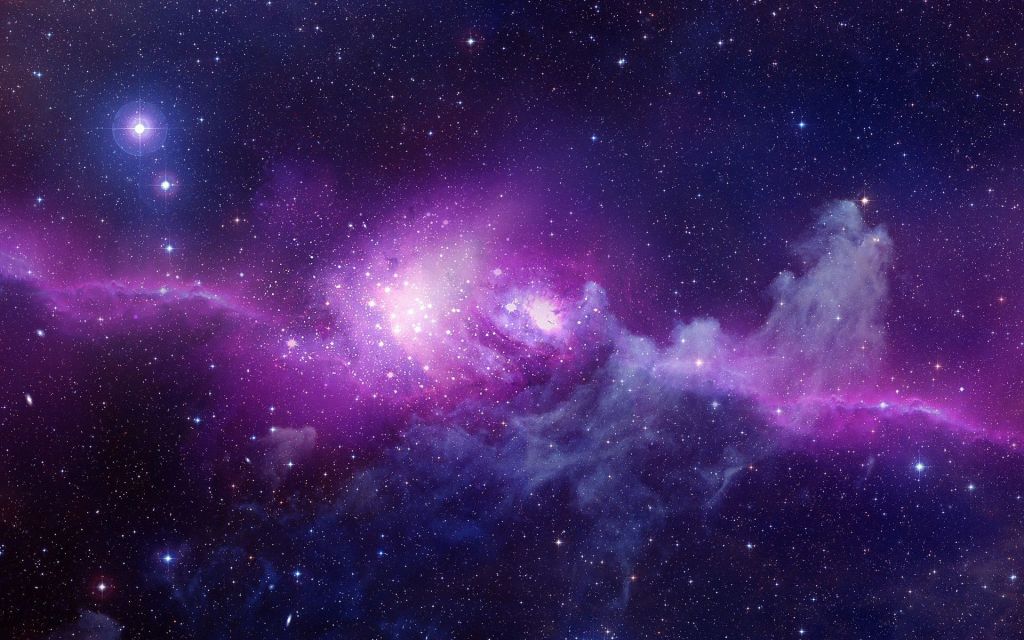
The phrase “we are stardust” may sound like a line from a poetic dream, but it’s also a scientific fact. Every atom in your body has a cosmic origin, born from the fiery furnaces of ancient stars. Understanding this connection between human life and the cosmos isn’t just a beautiful thought—it’s a profound reminder of our place in the universe.
The Stardust Origin Story
To understand how humans are made of stardust, we need to journey back to the birth and death of stars. Stars are nuclear reactors, fusing lighter elements like hydrogen and helium into heavier elements such as carbon, nitrogen, oxygen, and iron—the very building blocks of life.
When massive stars reach the end of their lives, they often explode in spectacular supernovae, scattering these elements across the universe. These cosmic materials eventually coalesce into new stars, planets, and, billions of years later, life forms like us.
In fact, most of the atoms in your body—roughly 97%—originated from stars. The carbon in your cells, the oxygen you breathe, the calcium in your bones, and even the iron in your blood were forged in stellar crucibles billions of years ago.
The Elements of Life: A Cosmic Inventory
The human body is a walking catalog of stardust. Here’s a breakdown of some key elements and their origins:
1. Hydrogen (H) – The most abundant element in the universe, formed during the Big Bang. It makes up about 10% of your body mass.
2. Carbon (C) – The foundation of life’s organic molecules, formed in the core of stars through nuclear fusion.
3. Oxygen (O) – Essential for respiration, oxygen is created during the fusion of helium in stars.
4. Calcium (Ca) – Vital for bones and teeth, calcium is produced during the final stages of a star’s life.
5. Iron (Fe) – Found in your blood, iron originates from supernovae explosions.
Without these elements, life as we know it would be impossible. The universe provided the raw materials for life, and Earth assembled them in just the right way.
From Stardust to Sentience: The Journey to Consciousness
While it’s awe-inspiring to know that we’re made of stars, what’s even more remarkable is how these atoms came together to form conscious beings capable of contemplating their cosmic origins. The universe isn’t just a collection of random particles—it’s a self-aware entity through us.
Physicist Carl Sagan famously said, “We are a way for the universe to know itself.” In a very real sense, your thoughts, dreams, and ambitions are the universe reflecting on its own existence.
Why This Matters: The Cosmic Ego Boost
In the face of everyday struggles, it’s easy to feel small or insignificant. But recognizing your cosmic heritage can be a powerful ego boost. Here’s why:
You Are Ancient: The atoms in your body have existed for billions of years. You are a living testament to the universe’s history.
You Are Connected: Every person, animal, plant, and even the Earth itself shares the same stardust origin. We are all interconnected in the most fundamental way.
You Are Extraordinary: Despite being made of common cosmic materials, you possess the rare gift of consciousness—a phenomenon that remains one of the universe’s greatest mysteries.
Looking Forward: The Next Chapter of Stardust
The story of stardust doesn’t end with us. Humanity is already exploring the stars, and in the distant future, we may colonize other planets or even other star systems. As we venture further into space, we are, in a way, returning home—back to the stars that gave us life.
Moreover, the universe continues to evolve, creating new stars and new opportunities for life. Perhaps one day, life from Earth will contribute to the formation of new worlds, continuing the cycle of cosmic creation.
Conclusion: Embrace Your Stardust Legacy
The next time you gaze up at the night sky, remember that you’re not just looking at distant stars—you’re looking at your origins. The universe is vast and ancient, yet it’s intimately connected to you.
You are stardust, and that’s not just poetic—it’s the science of your existence. Embrace it. Celebrate it. And remember that in a universe filled with countless stars, you are a unique and conscious expression of cosmic evolution.
We are all just stardust—but that makes us nothing short of extraordinary.
 Glass Cabbage