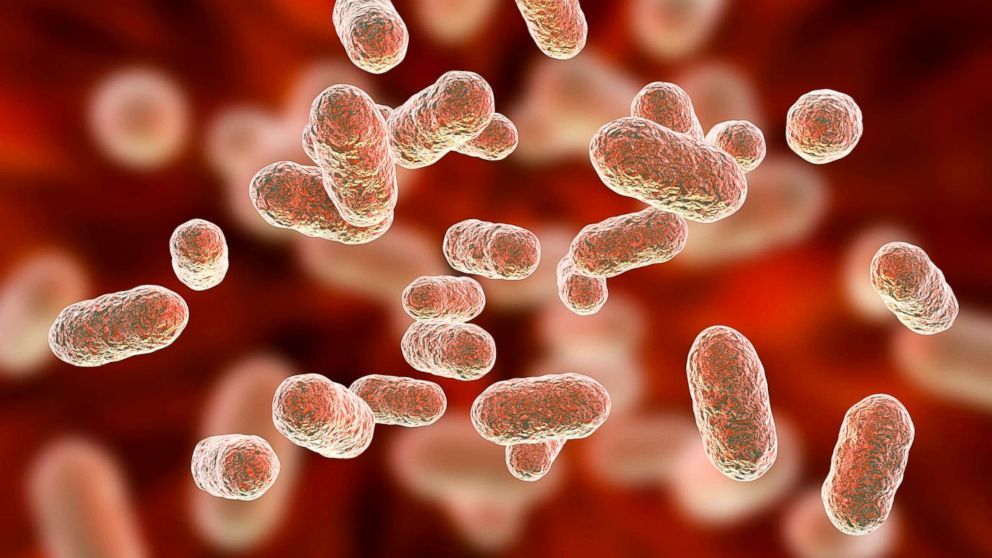
In the depths of your digestive tract, a vibrant and complex community of microorganisms is having the time of their lives. This bustling ecosystem, known as the gut microbiome, is composed of trillions of bacteria, fungi, viruses, and other microbes. Far from freeloaders, these microscopic partygoers are essential to your health, contributing to digestion, immunity, mental well-being, and much more. Here’s an inside look at the incredible microbiome party happening in your belly right now.
Who’s on the Guest List?
The gut microbiome is a diverse crowd of species, with some regular partygoers that deserve special mention:
Firmicutes and Bacteroidetes: These bacteria dominate the scene, playing a major role in breaking down food and extracting energy.
Lactobacillus and Bifidobacterium: Known for their probiotic properties, these helpful microbes maintain a healthy gut lining and fend off harmful invaders.
Fungi and Viruses: Although less studied, these lesser-known guests help maintain balance and diversity in the microbiome ecosystem.
Every individual’s microbiome is unique, shaped by genetics, diet, environment, and lifestyle choices. This dynamic mix ensures a highly personalized microbial party in every gut.
What’s on the Menu?
The food you eat directly determines the vibe of the microbiome party. Microbes feast on dietary fiber and other indigestible components of your food, producing vital compounds called short-chain fatty acids (SCFAs). These SCFAs, including butyrate and acetate, strengthen the gut lining, reduce inflammation, and even influence brain function.
A high-fiber diet rich in fruits, vegetables, whole grains, and legumes keeps the beneficial microbes thriving. On the other hand, excessive processed foods, sugar, and red meat can disrupt the balance, giving harmful bacteria an opportunity to dominate.
The Entertainment: Communication and Cooperation
The gut microbiome isn’t just a group of partygoers; it’s an orchestra working in harmony. Microbes communicate with each other and with human cells through chemical signals. This cross-talk influences digestion, vitamin production, and immune responses.
Even more fascinating, your gut and brain are in constant communication through the gut-brain axis. The microbiome produces neurotransmitters like serotonin, often called the “happy hormone,” which can affect mood and mental health. So, the state of the party in your belly might just reflect how you feel.
Party Crashers: Dysbiosis
Not every party is perfect. When the balance of microbes is disrupted—a condition called dysbiosis—the results can be far-reaching. Dysbiosis has been linked to conditions like irritable bowel syndrome (IBS), obesity, diabetes, and even depression. Factors like antibiotic overuse, stress, and poor diet can throw the party into chaos, with harmful microbes taking center stage.
How to Be the Perfect Host
To ensure your microbiome thrives, consider these tips:
1. Eat Diverse Foods: A varied diet encourages a rich microbial community.
2. Incorporate Probiotics: Yogurt, fermented foods, and supplements can introduce beneficial microbes.
3. Feed the Good Guys: Prebiotics, found in fiber-rich foods like garlic, bananas, and oats, nourish your existing microbes.
4. Limit Antibiotics: Only use antibiotics when necessary, as they can wipe out good microbes along with the bad.
5. Stay Active and Manage Stress: Exercise and stress reduction have been shown to positively influence gut health.
A Party Worth Celebrating
The gut microbiome is a vibrant, living community that profoundly impacts your health and well-being. By nurturing this microbial party, you can unlock benefits that go beyond digestion, supporting your immune system, mental clarity, and even longevity. So, raise a (kombucha-filled) toast to the tiny guests in your belly, and keep the good vibes going!
 Glass Cabbage