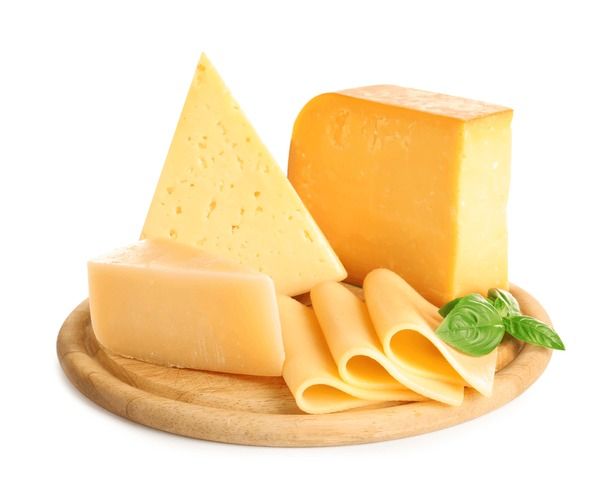
Cheese is a dietary staple enjoyed across cultures, from creamy bries to tangy cheddars. Yet, when it comes to its health implications, science remains divided. Some hail cheese as a nutrient-rich superfood, while others caution against its saturated fat and sodium content. Why can’t science reach a consensus? The answer lies in cheese’s complex composition and its variable impact on human health.
—
Nutritional Complexity of Cheese
Cheese is a powerhouse of nutrients. It provides high-quality protein, calcium, phosphorus, and essential vitamins like B12. Moreover, cheese contains bioactive compounds like conjugated linoleic acid (CLA), which has been linked to potential anti-inflammatory and anticancer properties. Some studies suggest that the fermentation process in cheese can yield probiotics that support gut health.
However, cheese is also dense in saturated fat and sodium, both of which are associated with cardiovascular risks. Critics argue that regular cheese consumption may elevate cholesterol levels and blood pressure, especially for individuals with predisposed health conditions.
—
Confounding Variables in Cheese Research
The difficulty in determining cheese’s healthiness stems from confounding variables in nutrition research. People don’t consume cheese in isolation; it’s often paired with other foods or eaten as part of a dietary pattern. For example, cheese in a Mediterranean diet may have different health outcomes compared to cheese on a fast-food burger.
Additionally, not all cheeses are created equal. Aged cheeses like Parmesan may contain more probiotics, while processed cheeses can be high in artificial additives. These differences complicate generalizations.
—
The Saturated Fat Paradox
For decades, saturated fat has been vilified for its role in heart disease. However, emerging research suggests that the relationship between saturated fat and cardiovascular health might not be so straightforward.
A study published in The American Journal of Clinical Nutrition found no significant link between dairy-derived saturated fat and increased heart disease risk. Some researchers propose that the matrix of cheese—a combination of nutrients and bioactive compounds—might mitigate the harmful effects of saturated fat. For instance, calcium in cheese may bind with fatty acids in the gut, reducing fat absorption.
—
Cheese and the Gut Microbiome
The gut microbiome, a critical player in overall health, adds another layer of complexity. Certain types of cheese, especially those fermented with live cultures, can introduce beneficial bacteria that support digestion and immunity. However, the high sodium content in some cheeses might offset these benefits by negatively affecting gut microbiota diversity.
—
Population Studies: Conflicting Results
Large-scale epidemiological studies offer conflicting evidence about cheese and health. For example:
Pro-Cheese Findings: The European Prospective Investigation into Cancer and Nutrition (EPIC) study found that moderate cheese consumption was associated with a lower risk of type 2 diabetes. Similarly, other studies suggest that cheese may improve bone density and reduce stroke risk.
Anti-Cheese Findings: Contrastingly, other research highlights potential risks, including a higher likelihood of obesity and hypertension among heavy cheese consumers.
These discrepancies may arise from differences in study design, population demographics, and types of cheese analyzed.
—
The Role of Personalization in Nutrition
One of the most compelling developments in nutrition science is the shift toward personalized diets. Genetic factors, gut microbiome composition, and individual health conditions all influence how cheese impacts a person. For some, cheese may be a healthful addition, while others may need to limit it.
—
Conclusion: A Balancing Act
The Great Cheese Debate exemplifies the complexity of nutrition science. Cheese is neither a universal health hero nor a dietary villain. Its impact depends on the type of cheese, portion size, and the broader dietary and lifestyle context.
For now, moderation remains key. Incorporating cheese into a balanced diet—paired with whole grains, fruits, and vegetables—may allow you to enjoy its flavors and potential benefits without the drawbacks. As research evolves, cheese lovers may find more clarity in the science of their favorite dairy delight.
In the end, whether cheese is a health boon or bane may hinge on one’s unique biology—and their ability to savor it responsibly.
 Glass Cabbage