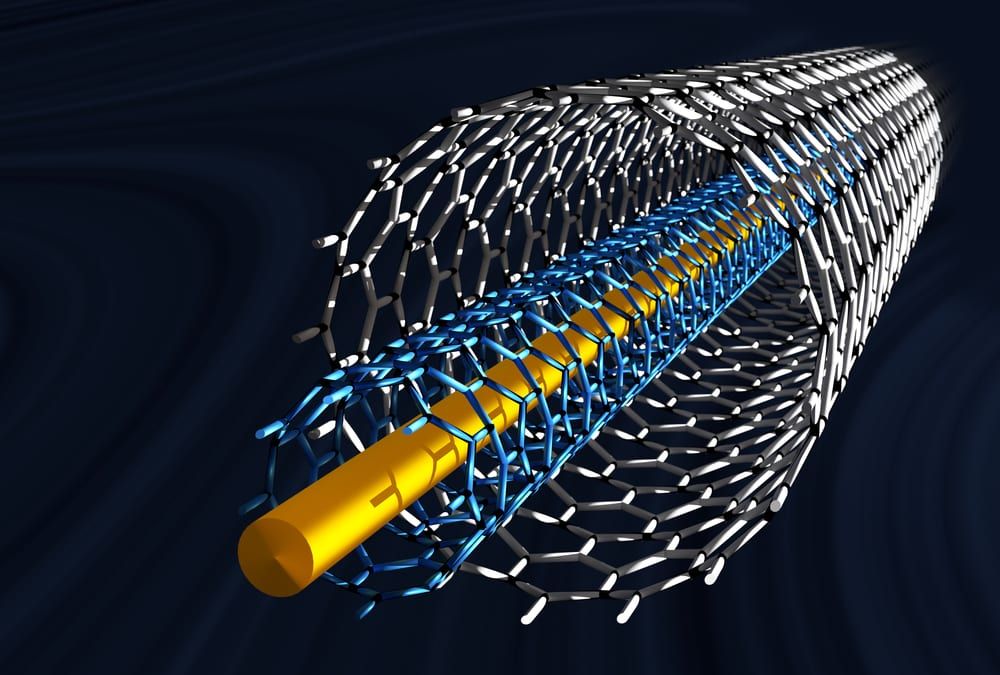
Nanotechnology, the manipulation of matter at the atomic and molecular scale, has long been heralded as a transformative force in science and industry. Additive manufacturing, or 3D printing, has similarly redefined how we approach fabrication. The convergence of these two fields—3D-printed nanomaterials—represents a groundbreaking frontier, combining precision engineering with unprecedented material properties. This synergy is opening new doors in medicine, energy, electronics, and more. Here, we explore the science behind 3D-printed nanomaterials, their applications, and their implications for the future.
—
What Are 3D-Printed Nanomaterials?
Nanomaterials are substances engineered at the nanoscale, typically ranging from 1 to 100 nanometers. At this scale, materials exhibit unique physical, chemical, and mechanical properties. These include increased strength, enhanced electrical conductivity, improved thermal properties, and high reactivity due to their large surface area-to-volume ratio.
3D printing, or additive manufacturing, builds objects layer by layer from a digital blueprint. The integration of nanomaterials into 3D printing processes allows for the fabrication of components with nanoscale precision and tailored functionalities. This union enables the creation of structures that are not only geometrically complex but also imbued with enhanced capabilities derived from their nanostructured composition.
—
How Are 3D-Printed Nanomaterials Made?
1. Nanoparticle Inks and Resins
The most common approach involves dispersing nanoparticles into printable mediums such as inks or resins. For example, silver nanoparticles can be used to create conductive inks for electronics, while carbon nanotubes are incorporated to enhance mechanical strength and thermal conductivity.
2. Direct Ink Writing (DIW)
DIW involves extruding a nanomaterial-laden ink through a nozzle to create fine, detailed structures. This method is widely used for printing complex scaffolds in biomedical applications.
3. Two-Photon Polymerization
This advanced technique uses focused laser beams to selectively cure nanoscale features within a photosensitive resin. It achieves ultra-high resolution and is ideal for fabricating intricate nanostructures.
4. Sintering and Post-Processing
After 3D printing, many nanomaterials require sintering or thermal treatment to enhance their structural integrity or activate their desired properties.
—
Applications of 3D-Printed Nanomaterials
1. Medicine and Biotechnology
Tissue Engineering: 3D-printed scaffolds embedded with nanomaterials mimic the extracellular matrix, promoting cell growth and tissue regeneration.
Drug Delivery: Nanoparticles integrated into printed structures can release drugs at controlled rates, enabling targeted therapies.
Implants: Nano-coatings on 3D-printed implants improve biocompatibility and reduce the risk of infection.
2. Energy and Sustainability
Batteries and Supercapacitors: Conductive nanomaterials like graphene are used to print components for energy storage systems with high efficiency and longevity.
Solar Cells: Nanoscale patterns enhance light absorption, boosting the performance of photovoltaic devices.
Catalysis: 3D-printed nanostructures act as highly efficient catalysts for chemical reactions, such as hydrogen production.
3. Electronics
Flexible Electronics: Nanomaterial inks enable the printing of stretchable and bendable circuits for wearable devices.
Sensors: High-sensitivity sensors are created using nanostructured materials, capable of detecting gases, biomolecules, and other environmental changes.
Antennas and Communication Devices: Compact, lightweight components with superior conductivity are achieved using nanoscale fabrication.
4. Aerospace and Automotive
Lightweight Components: Carbon nanofibers and nanotubes in 3D-printed parts reduce weight without compromising strength, critical for aerospace and automotive industries.
Thermal Management: Nanomaterial-based heat sinks and insulation improve the efficiency of engines and electronic systems.
—
Advantages of 3D-Printed Nanomaterials
Precision and Customization: The ability to control material composition and structure at the nanoscale allows for tailored properties and high-resolution fabrication.
Resource Efficiency: Additive manufacturing minimizes waste by using only the necessary materials.
Enhanced Properties: Nanomaterials impart superior mechanical strength, thermal stability, and conductivity to 3D-printed objects.
Scalability: Advances in 3D printing technology are making the production of nanomaterial-enhanced components more cost-effective and scalable.
—
Challenges and Future Prospects
Challenges
Despite its promise, the field faces significant hurdles:
Material Stability: Nanomaterials are prone to aggregation, which can compromise their performance during printing.
Cost and Accessibility: Many nanomaterials remain expensive and difficult to synthesize in large quantities.
Environmental Concerns: The production and disposal of nanomaterials raise ecological and health questions.
Future Prospects
Emerging technologies and interdisciplinary research are addressing these challenges:
Hybrid Manufacturing: Combining 3D printing with traditional fabrication methods to enhance precision and scalability.
AI and Machine Learning: Optimizing printing parameters and material formulations using predictive algorithms.
Green Nanotechnology: Developing eco-friendly synthesis and recycling methods for nanomaterials.
—
Conclusion
3D-printed nanomaterials are transforming science and industry by combining the precision of additive manufacturing with the extraordinary properties of nanotechnology. From revolutionizing medicine to advancing sustainable energy solutions, their potential is boundless. As researchers continue to innovate, we stand on the brink of a new era where the limits of design and material science are redefined. This is not just the future—it is happening now.
—
For those at the forefront of technology, understanding and leveraging the power of 3D-printed nanomaterials will be essential. Keep an eye on this rapidly evolving field—it is poised to shape the world in ways we can only begin to imagine.
 Glass Cabbage