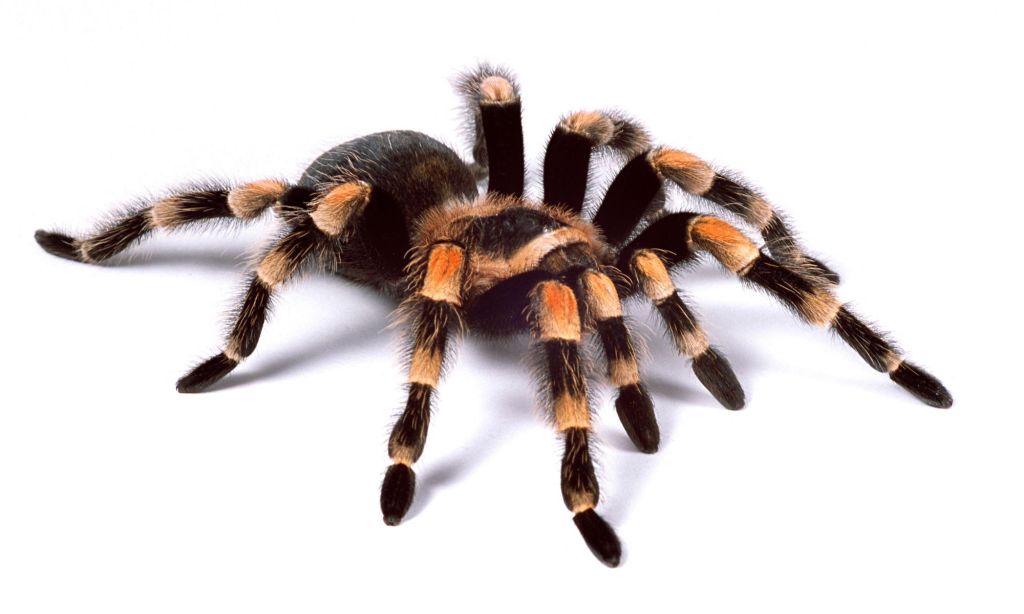
Phobias are an intrinsic part of the human psyche. While most people are familiar with common fears such as arachnophobia (fear of spiders) or claustrophobia (fear of confined spaces), the world of phobias is far more expansive—and peculiar—than you might imagine. From the fear of belly buttons to a panic-inducing reaction to mirrors, here are some of the most random and bizarre phobias that exist.
—
1. Arachibutyrophobia: Fear of Peanut Butter Sticking to the Roof of Your Mouth
For some, peanut butter is a delightful treat; for others, it’s a source of intense anxiety. People with arachibutyrophobia experience discomfort at the thought or sensation of peanut butter sticking to the roof of their mouths. While this fear may stem from a choking incident or sensory issues, it often leaves sufferers steering clear of creamy snacks altogether.
—
2. Omphalophobia: Fear of Belly Buttons
The mere sight or touch of a belly button can send those with omphalophobia into a state of distress. This fear often includes aversion to their own navel and others’, and sufferers may go to great lengths to avoid any interaction with this body part.
—
3. Genuphobia: Fear of Knees
Knees might seem innocuous, but for individuals with genuphobia, they’re a source of anxiety. This rare phobia may include fear of seeing, touching, or even thinking about knees—whether their own or others’.
—
4. Chorophobia: Fear of Dancing
For some, a lively dance floor is their worst nightmare. People with chorophobia experience extreme anxiety at the thought of dancing or being in an environment where dancing is happening. This phobia can stem from social anxiety, past embarrassment, or an aversion to rhythmic movements.
—
5. Ablutophobia: Fear of Bathing
Ablutophobia is a fear of bathing, washing, or cleaning oneself. While this phobia is more common in children, it can persist into adulthood, leading to significant social and health challenges. The fear may be rooted in trauma or sensory sensitivities.
—
6. Spectrophobia: Fear of Mirrors
For those with spectrophobia, mirrors are far from a harmless household item. The fear often involves anxiety about seeing one’s reflection, superstitions about mirrors, or fears of apparitions. This phobia can make everyday environments, like bathrooms or dressing rooms, particularly stressful.
—
7. Papaphobia: Fear of the Pope
While reverence for religious leaders is common, papaphobia takes this to an extreme. Individuals with this phobia experience fear or anxiety specifically related to the Pope or the Papacy. This might stem from religious guilt, overwhelming awe, or an intense reaction to the symbolism of the role.
—
8. Phobophobia: Fear of Phobias
A true paradox, phobophobia is the fear of developing a phobia. This fear can create a cycle of anxiety where individuals worry excessively about the possibility of encountering or developing new fears.
—
9. Hippopotomonstrosesquipedaliophobia: Fear of Long Words
Ironically, the name of this phobia is its own cruel joke. Hippopotomonstrosesquipedaliophobia is the fear of long words, often causing those affected to avoid complex language. This phobia may originate from feelings of inadequacy or past struggles with reading or speech.
—
10. Heliophobia: Fear of Sunlight
While vampires might come to mind, heliophobia is a legitimate fear of sunlight or bright daylight. This condition can lead sufferers to avoid going outdoors during the day and may result from conditions like extreme photosensitivity or past sun-related trauma.
—
What Causes These Unusual Phobias?
The origins of random phobias are as varied as the fears themselves. Traumatic experiences, genetic predispositions, or associations formed during childhood can all contribute. In some cases, cultural influences or irrational associations are at play, making the fear difficult to understand or explain.
—
Treatment Options for Phobias
Living with any phobia—no matter how random—can be challenging. Treatment methods include:
Exposure Therapy: Gradual exposure to the source of fear in a controlled setting.
Cognitive Behavioral Therapy (CBT): Identifying and challenging irrational thoughts linked to the phobia.
Medication: Anti-anxiety medications or antidepressants can help in severe cases.
Relaxation Techniques: Mindfulness, breathing exercises, and meditation can reduce phobia-related anxiety.
—
Embracing the Uniqueness of Phobias
Phobias, no matter how random or peculiar, are a reminder of the diversity of human experiences. They may elicit confusion or even humor to those on the outside, but for those who live with these fears, the anxiety is very real. By learning about and understanding these unique phobias, we can foster empathy and encourage sufferers to seek the help they deserve.
Do you have a fear that feels out of the ordinary? Share your experience—it might not be as rare as you think!
 Glass Cabbage
Leave a comment