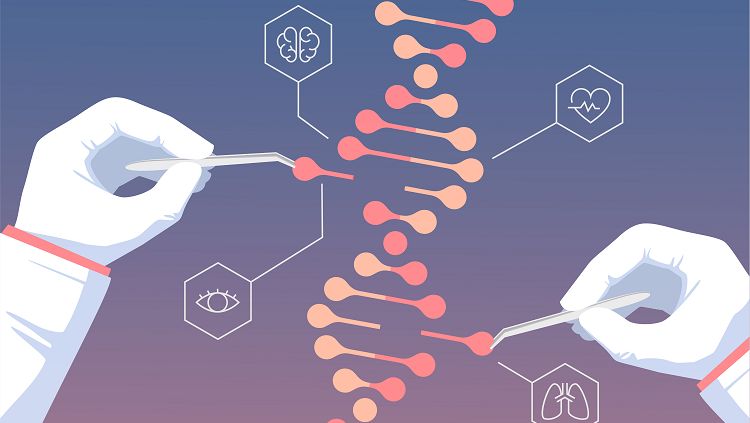
CRISPR (Clustered Regularly Interspaced Short Palindromic Repeats) has transformed the scientific landscape, offering a groundbreaking method for editing the genome with unprecedented precision and efficiency. Since its discovery, CRISPR-based therapies have emerged as one of the most promising advancements in medicine, holding the potential to cure genetic disorders, fight cancers, and combat infectious diseases. This article delves into the science behind CRISPR, its therapeutic applications, and the challenges that lie ahead in bringing these revolutionary treatments to patients.
—
Understanding CRISPR: The Basics of Genome Editing
CRISPR is a natural defense mechanism used by bacteria to protect against viral infections. It consists of two main components:
1. Cas9 Protein: An enzyme that acts like molecular scissors to cut DNA at a specific location.
2. Guide RNA (gRNA): A customizable RNA sequence that directs Cas9 to the target DNA sequence.
By harnessing this system, scientists can make precise changes to the genome, such as cutting out, repairing, or replacing specific DNA sequences. CRISPR’s versatility, simplicity, and accuracy make it a game-changer for genetic engineering.
—
Applications of CRISPR-Based Therapies
CRISPR’s potential for treating diseases stems from its ability to address the root cause of many conditions: faulty or mutated genes. Here are some of the most promising applications:
1. Genetic Disorders
CRISPR offers the possibility of permanent cures for monogenic diseases—conditions caused by mutations in a single gene.
Sickle Cell Disease and Beta-Thalassemia: Clinical trials have shown that CRISPR can effectively edit hematopoietic stem cells to produce healthy red blood cells, potentially curing these blood disorders.
Cystic Fibrosis: CRISPR is being explored to correct mutations in the CFTR gene, which causes this life-limiting disease.
Duchenne Muscular Dystrophy (DMD): Researchers are using CRISPR to restore the function of the dystrophin gene, offering hope for patients with this debilitating muscle disorder.
2. Cancer
CRISPR is revolutionizing oncology by enabling more effective and personalized cancer therapies.
CAR-T Cell Therapy: CRISPR enhances chimeric antigen receptor (CAR) T-cell therapies by improving their ability to target and kill cancer cells while reducing off-target effects.
Gene Knockout: Disabling genes that promote tumor growth or drug resistance is another promising avenue.
3. Infectious Diseases
CRISPR can be used to combat viral infections by targeting and destroying viral DNA.
HIV: Researchers are exploring CRISPR to eliminate latent HIV reservoirs from infected cells, potentially leading to a cure.
COVID-19: CRISPR-based diagnostics and antiviral strategies are being developed to detect and disable SARS-CoV-2.
4. Blindness and Vision Disorders
CRISPR has shown promise in treating inherited retinal diseases like Leber congenital amaurosis (LCA), with the first in vivo CRISPR therapy targeting this condition in clinical trials.
5. Rare and Undruggable Diseases
CRISPR offers hope for rare diseases where traditional treatments are unavailable. For example, editing specific genes can address conditions like Huntington’s disease and amyotrophic lateral sclerosis (ALS).
—
CRISPR in the Clinic: Progress and Milestones
The first CRISPR-based therapy to reach clinical trials was ex vivo editing, where cells are modified outside the body and then reintroduced. In 2020, Intellia Therapeutics and CRISPR Therapeutics initiated the first in vivo trial, directly editing genes within a patient’s body to treat transthyretin amyloidosis (ATTR). These milestones underscore the rapid translation of CRISPR from the lab to the clinic.
—
Challenges in CRISPR-Based Therapies
Despite its transformative potential, several challenges must be addressed to fully realize the promise of CRISPR-based therapies:
1. Off-Target Effects
CRISPR can inadvertently edit unintended parts of the genome, leading to potential safety concerns. Advances in high-fidelity Cas9 variants aim to reduce these risks.
2. Delivery Methods
Delivering CRISPR components to target cells or tissues is a significant hurdle. Viral vectors (like AAV) and lipid nanoparticles are being optimized for efficient and safe delivery.
3. Immune Response
The human immune system can recognize CRISPR proteins as foreign, potentially reducing their efficacy or causing adverse effects.
4. Ethical Considerations
While somatic editing (non-heritable) is widely accepted, germline editing (heritable changes) raises ethical questions about designer babies and unintended consequences.
5. Regulatory Hurdles
Ensuring the safety, efficacy, and ethical use of CRISPR therapies is crucial, requiring rigorous oversight from regulatory agencies.
—
The Future of CRISPR-Based Therapies
The field of CRISPR-based therapies is advancing rapidly, with several trends shaping its future:
Base Editing and Prime Editing: Newer CRISPR techniques allow precise modifications without making double-strand breaks, reducing the risk of off-target effects.
Multiplexed Editing: Editing multiple genes simultaneously could enable complex interventions, such as engineering organs for transplantation.
CRISPR 2.0: Innovations like CRISPR-Cas12 and Cas13 expand the toolbox, targeting RNA or performing epigenetic modifications.
Moreover, as CRISPR technologies become more refined and affordable, their accessibility will expand, making them a cornerstone of precision medicine.
—
Conclusion
CRISPR-based therapies represent a paradigm shift in how we treat diseases, offering the potential to cure conditions that were previously considered untreatable. While challenges remain, the rapid progress in clinical trials and technological innovation suggests that CRISPR will soon become a mainstay in modern medicine. By addressing the root cause of diseases at the genetic level, CRISPR not only holds the promise of curing the incurable but also heralds a new era of personalized, precision healthcare.
 Glass Cabbage