The Earth’s rich biodiversity is facing unprecedented challenges. Human activities, climate change, habitat destruction, pollution, and poaching are pushing countless species toward extinction. As we look to the future, it is critical to understand which animals are most at risk and take immediate action to preserve them. Here’s a closer look at some species that may vanish if we fail to act.
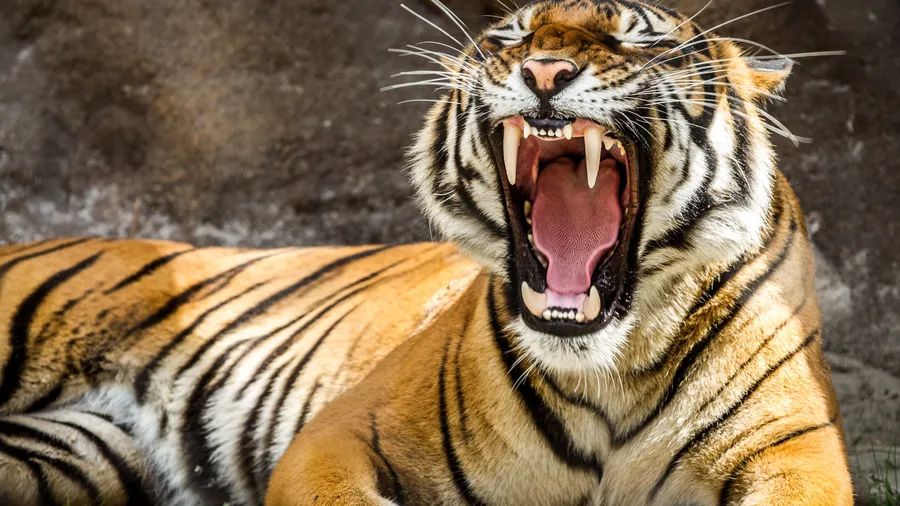
1. The Majestic Tigers
Tigers, an apex predator and cultural icon, are critically endangered due to habitat loss, poaching, and human-wildlife conflict. With fewer than 4,000 wild tigers left, subspecies such as the Malayan and Sumatran tigers are teetering on the brink of extinction. Conservation efforts like protected reserves and anti-poaching laws have shown promise but need global support to be effective.
2. Orangutans: Forest Guardians
Found in the rainforests of Borneo and Sumatra, orangutans play a vital role in seed dispersal, maintaining forest ecosystems. However, deforestation for palm oil plantations has decimated their habitats. Both the Bornean and Sumatran orangutans are critically endangered, with populations declining at alarming rates.
3. Polar Bears: Arctic Icons
As the Arctic ice melts due to climate change, polar bears are losing their hunting grounds. These apex predators depend on sea ice to hunt seals, and without it, their survival is in jeopardy. Current estimates suggest that polar bears could disappear entirely by the end of the 21st century if warming trends continue.
4. Vaquita: The Rarest Marine Mammal
With fewer than 20 individuals remaining, the vaquita porpoise is the most endangered marine mammal. Found only in the northern part of the Gulf of California, this small cetacean is primarily threatened by accidental entanglement in fishing nets. Urgent measures, including fishing restrictions and habitat protection, are critical to prevent its extinction.
5. Pangolins: The Most Trafficked Mammal
Pangolins are often referred to as “scaly anteaters.” These nocturnal creatures are hunted relentlessly for their scales and meat, which are highly sought after in traditional medicine and exotic food markets. All eight species of pangolins are at risk, with some critically endangered due to poaching and habitat loss.
6. Amphibians: Silent Sufferers
Amphibians, including frogs, toads, and salamanders, are some of the most vulnerable animals to environmental changes. Diseases like chytridiomycosis, habitat destruction, and pollution have caused dramatic declines in amphibian populations worldwide. Species such as the Panamanian golden frog are already extinct in the wild.
7. Rhinos: Icons of the Savannah
Rhino populations have plummeted due to poaching and habitat loss. The Javan and Sumatran rhinos are critically endangered, with fewer than 80 individuals left for each species. Despite conservation efforts, the demand for rhino horns in traditional medicine poses a persistent threat.
8. Marine Turtles: Ancient Mariners
Marine turtles, such as the leatherback and hawksbill turtles, face numerous threats, including plastic pollution, bycatch, climate change, and coastal development. Rising sea levels and warmer temperatures affect their nesting grounds, putting future generations at risk.
9. Elephants: Giants Under Siege
African and Asian elephants are targeted for their ivory and face significant habitat loss due to agriculture and urbanization. While African elephant populations have seen some recovery in certain regions, the forest-dwelling Asian elephants remain critically endangered.
10. Freshwater Species: Hidden Victims
Freshwater ecosystems are among the most threatened environments on Earth. Species like the Chinese giant salamander and sturgeon are at risk due to overfishing, pollution, and dam construction. These animals are often overlooked but are essential for maintaining freshwater biodiversity.
—
Why Should We Care?
The loss of biodiversity doesn’t just affect the animals; it disrupts ecosystems, affects food security, and even impacts human health. Animals play integral roles in pollination, seed dispersal, and pest control, maintaining the balance of nature that supports life on Earth.
—
How Can We Help?
Support Conservation Organizations: Donate to or volunteer with groups working to protect endangered species and habitats.
Promote Sustainable Practices: Opt for sustainable products, reduce waste, and support companies with ethical practices.
Advocate for Policy Changes: Push for stronger wildlife protection laws and actions to mitigate climate change.
Educate Others: Spread awareness about the plight of endangered species and inspire action within your community.
—
The Path Forward
Time is of the essence. While many species are at risk, coordinated global efforts can make a significant difference. By protecting habitats, combating climate change, and curbing illegal wildlife trade, we can ensure that future generations inherit a planet teeming with life. The fate of these animals—and our own—is intertwined. Let’s act before it’s too late.
 Glass Cabbage
Leave a comment