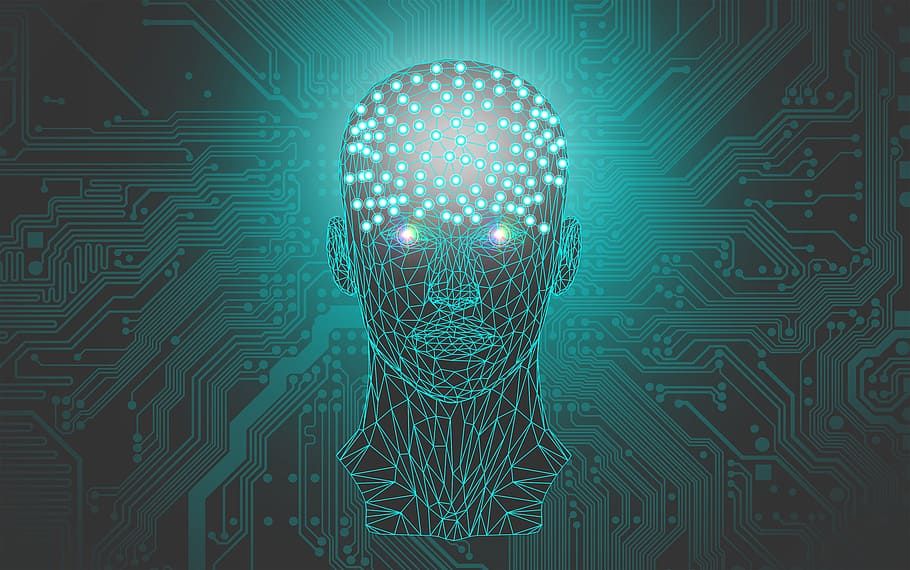
Artificial Intelligence (AI) has transitioned from a futuristic concept to a transformative force driving innovation across industries. From smart assistants in our homes to autonomous vehicles on our roads, AI is at the forefront of technological advancement. But what exactly is AI, and why is it revolutionizing the way we live and work?
What Is Artificial Intelligence?
Artificial Intelligence refers to the development of computer systems capable of performing tasks that typically require human intelligence. These include learning, reasoning, problem-solving, perception, and natural language understanding. AI technologies can be broadly categorized into:
– Narrow AI: Focused on specific tasks, such as virtual assistants (e.g., Siri, Alexa) or recommendation systems.
– General AI: A theoretical form of AI that possesses human-like cognitive abilities across a wide range of tasks.
Key AI Technologies
1. Machine Learning (ML): A subset of AI that enables computers to learn from data and improve over time without explicit programming.
2. Natural Language Processing (NLP): Powers applications like chatbots and language translation by enabling machines to understand and respond to human language.
3. Computer Vision: Allows systems to interpret visual data, crucial for facial recognition and autonomous vehicles.
4. Robotics: Combines AI with mechanical engineering to create machines capable of performing physical tasks.
Applications of AI
AI is transforming industries by streamlining processes, enhancing decision-making, and unlocking new possibilities:
– Healthcare: AI-powered tools assist in diagnosing diseases, predicting patient outcomes, and personalizing treatment plans.
– Finance: AI algorithms analyze market trends, detect fraud, and automate trading.
– Retail: Recommendation systems enhance customer experiences by personalizing shopping journeys.
– Transportation: Autonomous vehicles and smart traffic management systems are making travel safer and more efficient.
– Education: AI-driven platforms enable personalized learning experiences for students of all ages.
Challenges and Ethical Considerations
While AI presents immense opportunities, it also raises critical questions about ethics, bias, and privacy:
– Bias in AI: Ensuring algorithms are trained on diverse datasets to prevent discrimination.
– Job Displacement: Balancing automation with the need for human employment.
– Data Privacy: Safeguarding sensitive information in AI-driven systems.
The Future of AI
The potential of AI is virtually limitless. As research advances, we can expect breakthroughs in areas like quantum computing, general AI, and human-AI collaboration. However, realizing these possibilities requires addressing ethical challenges and fostering global collaboration.
Conclusion
Artificial Intelligence is more than a technological trend; it’s a revolution reshaping every aspect of our lives. By embracing AI responsibly, we can unlock its full potential to create a smarter, more efficient, and equitable future. As the journey of AI continues, one thing is certain: the best is yet to come.
Explore more about AI and its impact on our world right here. Stay updated with the latest innovations, insights, and trends shaping the future of technology.
 Glass Cabbage
Leave a comment